Common Roofing Problems in Singapore: Causes, Signs & Solutions
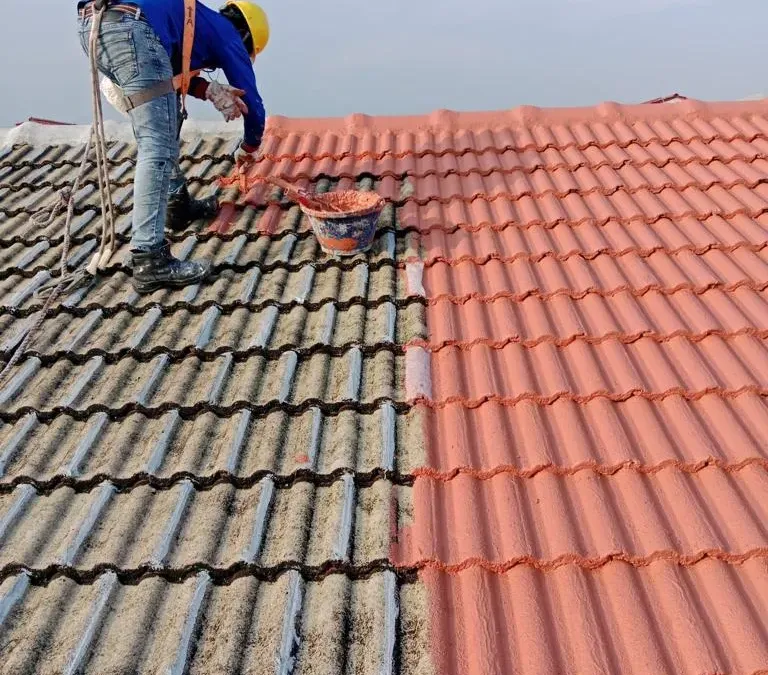
Why Singapore Roofs Face Unique Challenges
Singapore’s equatorial climate is one of the harshest environments for roofing systems anywhere in the world. With average temperatures consistently above 30°C, annual rainfall exceeding 2,300mm, and relative humidity often above 80%, your roof is under constant assault from the elements — 365 days a year.
At Asia Tech Roofing, we’ve spent over two decades diagnosing and repairing roofs across the island. In this guide, we share the most common roofing problems we encounter and what you can do about them.
1. Water Leakage & Seepage
The #1 problem we see. Water leakage can originate from dozens of failure points: cracked tiles, deteriorated waterproofing membranes, failed joint sealants, blocked gutters, or even hairline cracks in RC slabs that are invisible to the naked eye.
Common Signs:
- Yellowish-brown water stains on ceiling
- Peeling or bubbling paint on walls
- Musty or damp smell in upper floors
- Visible dripping during heavy rain
What Causes It:
Singapore’s intense UV radiation causes thermal expansion and contraction of roofing materials throughout the day. Over years, this cycling weakens sealants, dries out waterproofing membranes, and creates micro-cracks in concrete. When the monsoon hits, water finds its way through these weak points.
The Fix:
Professional leak detection using thermal imaging and moisture meters pinpoints the exact source. Depending on the cause, solutions range from joint re-sealing and PU injection grouting to full waterproofing membrane replacement.
2. Cracked or Displaced Roof Tiles
Concrete and clay roof tiles are extremely common on Singapore’s landed properties — terrace houses, semi-detached homes, and bungalows. Over time, tiles crack from thermal stress, shift from wind uplift, or break from impact (falling branches during storms).
Common Signs:
- Visible cracks or chips on tile surfaces
- Tiles sitting unevenly or out of alignment
- Broken tile fragments in gutters
- Water entering at specific spots during rain
The Fix:
Individual damaged tiles can be replaced. However, if multiple tiles are affected, a full re-bedding and re-pointing of the ridge capping is usually necessary to prevent recurring issues. Our roof repair specialists handle all tile types.
3. Corroded Metal Roofing
Metal roof sheets (zinc, aluminium, galvanised steel) are widely used on industrial buildings, warehouses, and some older residential properties. Singapore’s salt-laden coastal air and humidity accelerate corrosion, eventually creating pinholes that allow massive water ingress.
Common Signs:
- Rust stains or discolouration on roof sheets
- Pinholes visible when viewed from inside (light shining through)
- Loose or lifting sheets during wind
- Water pooling in corroded valleys
The Fix:
Minor corrosion can be treated with rust-inhibiting primers and protective coatings. Severely corroded panels require full replacement. For industrial properties, we often recommend secondary roofing systems that provide an additional protective layer over the existing metal roof.
4. Waterproofing Membrane Failure
Flat concrete roofs — found on most HDB blocks, commercial buildings, and many modern landed homes — rely on waterproofing membranes (torch-on bituminous, liquid PU, or acrylic coatings) to prevent water penetration. These membranes have a finite lifespan (typically 5–15 years) and eventually fail.
Common Signs:
- Bubbling or blistering of the membrane surface
- Visible tears or cracks in the membrane
- Water pooling that doesn’t drain properly
- Leaks appearing on the floor below
What Causes Failure:
- UV degradation from prolonged sun exposure
- Poor initial installation (inadequate overlap, insufficient layers)
- Mechanical damage from foot traffic or equipment
- Natural ageing beyond the membrane’s rated lifespan
The Fix:
Depending on the condition, options include patching localised failures, applying a new overlay system, or complete removal and re-application. Learn more about our waterproofing solutions.
5. Blocked or Damaged Gutters
Gutters and downpipes are the unsung heroes of your roofing system. When they’re blocked by leaves, debris, or even bird nests, rainwater backs up and overflows — often finding its way into the building structure through the eaves or fascia.
Common Signs:
- Water overflowing from gutters during rain
- Staining or algae growth on exterior walls below the gutter line
- Sagging or pulling away of gutter sections
- Plants or moss growing in the gutter
The Fix:
Regular clearing and cleaning of gutters (at least twice yearly) is essential. Damaged sections should be repaired or replaced promptly. We recommend installing gutter guards on properties surrounded by trees.
6. Concrete Spalling & Structural Deterioration
Older buildings in Singapore often suffer from concrete spalling — where the steel reinforcement inside RC slabs and beams corrodes, expands, and causes chunks of concrete to crack and fall off. This is both a structural hazard and a waterproofing issue.
Common Signs:
- Chunks of concrete falling from ceilings or soffits
- Exposed steel reinforcement bars (rebar)
- Hollow-sounding areas when tapped
- Rust stains on concrete surfaces
The Fix:
Spalled concrete must be hacked away, the corroded rebar treated or replaced, and new concrete patched in. An anti-carbonation coating is then applied to prevent future corrosion. This is specialised structural work that requires experienced contractors.
Prevention Is Always Better Than Cure
The single most effective thing you can do to protect your roof is schedule regular professional inspections. At Asia Tech Roofing, we offer free, no-obligation roof inspections across Singapore. Our experienced team will identify potential problems before they escalate into costly repairs.
Our Recommended Maintenance Schedule:
- Annually: Full professional roof inspection
- Every 6 months: Gutter clearing and visual check
- After major storms: Immediate visual inspection for damage
- Every 5–7 years: Re-coating of waterproofing membranes on flat roofs
Don’t Wait for the Leak — Act Now
If you’ve noticed any of the signs described above, or if your roof hasn’t been inspected in over a year, contact our team for a free assessment. We serve all property types across Singapore — HDB, landed, commercial, and industrial.
Call us today at +65 9892 7202 or WhatsApp us for an instant response.
Common Questions
What is the most common roofing problem in Singapore?
Water leakage is by far the most common roofing problem in Singapore. The combination of heavy monsoon rain, intense UV exposure, and humidity causes sealants, membranes, and tiles to deteriorate over time, leading to water ingress through cracks and failed joints.
How often should I inspect my roof in Singapore?
We recommend a professional roof inspection at least once a year, ideally before the monsoon season (November–January). Properties older than 15 years or those with flat concrete roofs should be inspected every 6 months.
Can I repair a leaking roof myself?
While minor surface sealant touch-ups can be done temporarily, we strongly advise against DIY roof repairs. Working at height without proper safety equipment is dangerous, and incorrect repairs often make the problem worse. Always engage a licensed roofing contractor.
How much does roof repair cost in Singapore?
Roof repair costs in Singapore vary widely depending on the scope. Minor leak sealing may cost $300–$800, while full waterproofing membrane replacement for a flat roof can range from $3,000–$15,000. We provide free inspections and transparent quotations.