The Ultimate Roof Inspection Checklist for Singapore Homeowners
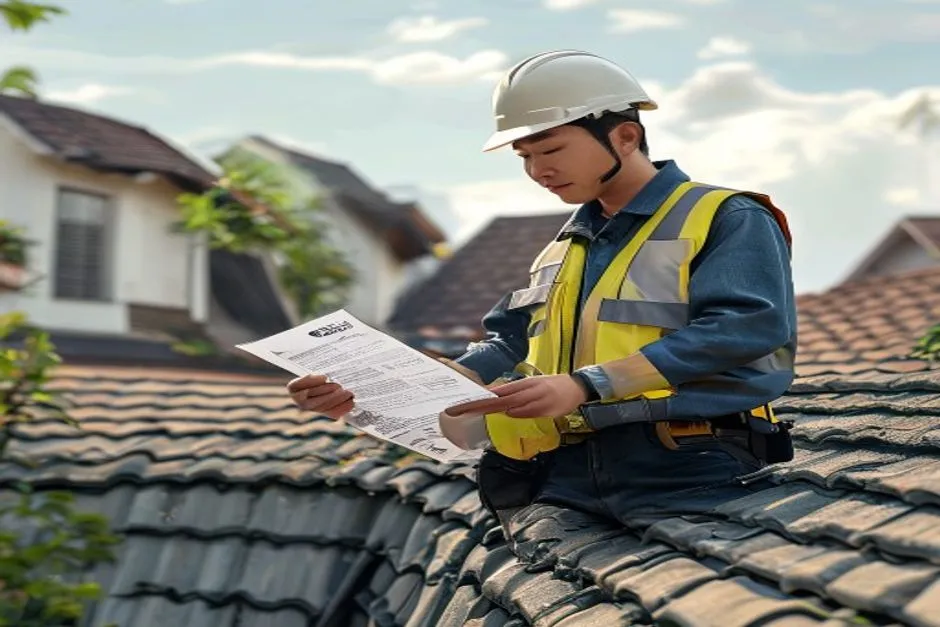
Singapore’s climate is famously unforgiving on building exteriors. The constant cycle of intense tropical sun and torrential monsoon rain causes building materials to expand and contract rapidly, inevitably leading to cracks, wear, and eventual water ingress.
For homeowners, the key to avoiding catastrophic water damage (and massive repair bills) is early detection.
Whether you live in a mature HDB flat in Ang Mo Kio or a private landed estate in Bukit Timah, conducting regular, safe visual inspections of your property is crucial. We’ve compiled the ultimate roof inspection checklist tailored specifically for Singapore’s housing landscape.
Part 1: The Interior Inspection (HDBs & Condos)
For those living in high-rise apartments, your “roof” is often the concrete floor slab of the unit above you. Your inspection should focus entirely on the interior ceilings.
1. Check for Discoloration and Water Stains
Look closely at the ceilings in your bathrooms, kitchen, and any areas near the external facade.
- What to look for: Faint yellow or brown rings, dark patches, or areas where the paint appears slightly darker than the rest of the ceiling.
- What it means: A water stain is the very first sign of an inter-floor leak or seepage from the external wall. If you spot a stain, refer to our guide on Ceiling Water Stains: Causes, Risks, and Permanent Fixes.
2. Inspect for Bubbling or Peeling Paint
- What to look for: Paint that is bubbling, flaking off, or feels soft to the touch.
- What it means: Moisture is trapped between the concrete and the paint layer. This indicates active water ingress that hasn’t fully stained the surface yet but is definitely present.
3. Look for Hairline Cracks and Spalling Concrete
- What to look for: Fine spiderweb cracks across the ceiling, or more severely, chunks of concrete breaking away to reveal rusted steel bars.
- What it means: Hairline cracks can be normal settlement, but if they are accompanied by moisture, they are pathways for leaks. Exposed, rusted steel (spalling concrete) is a severe structural issue that requires immediate professional attention like PU Injection Grouting.
Part 2: The Exterior Inspection (Landed Properties)
If you own a landed property with a pitched roof (clay or concrete tiles) or a flat concrete roof, you must check the exterior. Safety First: Only perform visual inspections from the ground using binoculars, or from a safe vantage point (like a higher window). Never climb onto a wet roof.
1. Inspect Roof Tiles and Ridge Capping
- What to look for: Missing, cracked, or misaligned clay/concrete tiles. Look specifically at the ridge capping (the triangular tiles running along the peak of the roof)—check if the cement holding them together is crumbling or missing.
- What it means: Broken tiles or degraded ridge cement provide a direct pathway for rainwater into your roof cavity.
2. Check the Gutters and Downpipes
- What to look for: Gutters overflowing during a storm, visible plant growth (weeds or small saplings) sprouting from the gutters, or rust spots on metal gutters.
- What it means: Blocked gutters cause water to back up and flow under your roof eaves, rotting the fascia boards and flooding your ceiling cavity.
3. Examine Flashing and Joints
- What to look for: The metal strips (flashing) installed around chimneys, skylights, or where the roof meets a vertical wall. Check if they are rusted, bent, or if the sealant has peeled away.
- What it means: Flashing is the most common failure point on any pitched roof. Compromised flashing almost always results in a localized leak during heavy rain.
When to Call the Professionals
While this checklist empowers you to spot early warning signs, diagnosing the exact source of a leak and performing repairs should always be left to certified professionals. Water is notoriously tricky; a leak might show up in your living room, but the actual entry point could be five meters away on the exterior roof.
At Asia Tech Roofing, we use advanced thermal imaging cameras and digital moisture meters to accurately map water ingress without tearing your home apart.
If you’ve checked off any warning signs on this list, don’t wait for the next monsoon to test your luck.
Common Questions
How often should I inspect my roof in Singapore?
We recommend a visual inspection at least twice a year—ideally right before the start of the Northeast Monsoon (November) and Southwest Monsoon (June).
Can I inspect my HDB flat ceiling myself?
Yes! You can perform a basic visual inspection of your ceilings, especially in wet areas like bathrooms and kitchens, looking for discoloration or hairline cracks. However, do not attempt to access the main building roof yourself.
What should I do if I find a cracked roof tile on my landed property?
Do not attempt to patch it with DIY sealants, as this often traps moisture and makes it worse. Contact a certified roofing specialist immediately to re-bed or replace the tile properly.